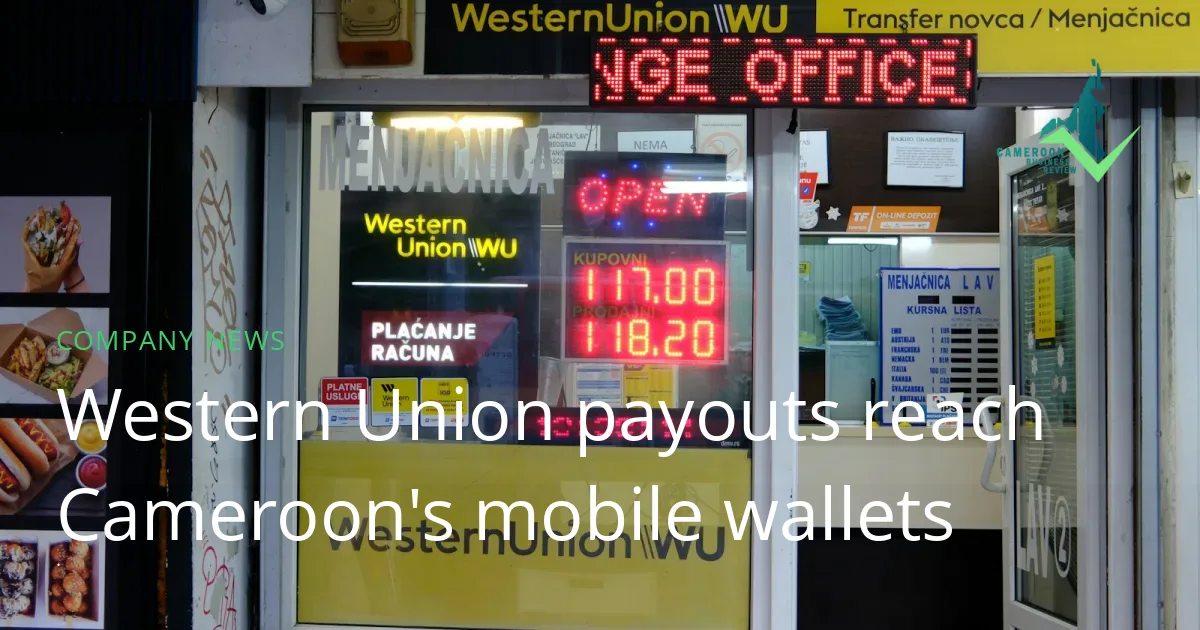
Money sent to Cameroon through Western Union can now land directly in local mobile wallets. Western Union and dLocal, a Uruguay-based payments company, said on 15 October 2026 that they have extended their partnership in Africa from collecting payments to paying them out, and that Cameroon is the first market. The Western Union payouts in Cameroon run through one corridor for now, The Paypers reported.
The deal matters for a country where families rely on money from relatives abroad and where most people hold a mobile wallet rather than a bank account.
How Western Union payouts in Cameroon will work
The two companies split the work. dLocal provides the technology and the connections. Licensed local partners, such as mobile network operators or financial institutions, carry out the actual payment to the recipient, in line with Cameroonian rules, according to the announcement carried by Journal du Cameroun.
For the person receiving money, the change is simple: funds sent through Western Union can be credited to a supported mobile wallet instead of being collected in cash at an agent.
The companies did not name the wallet operators taking part. Cameroon's two largest mobile money services are Orange Money and MTN Mobile Money. Neither was named in the announcement, and readers should not assume both are included until the partners say so.
Why the companies started with Cameroon
The announcement described Cameroon as one of the most fragmented markets in the region and as "wallet-based", with few reliable options for receiving money until now.
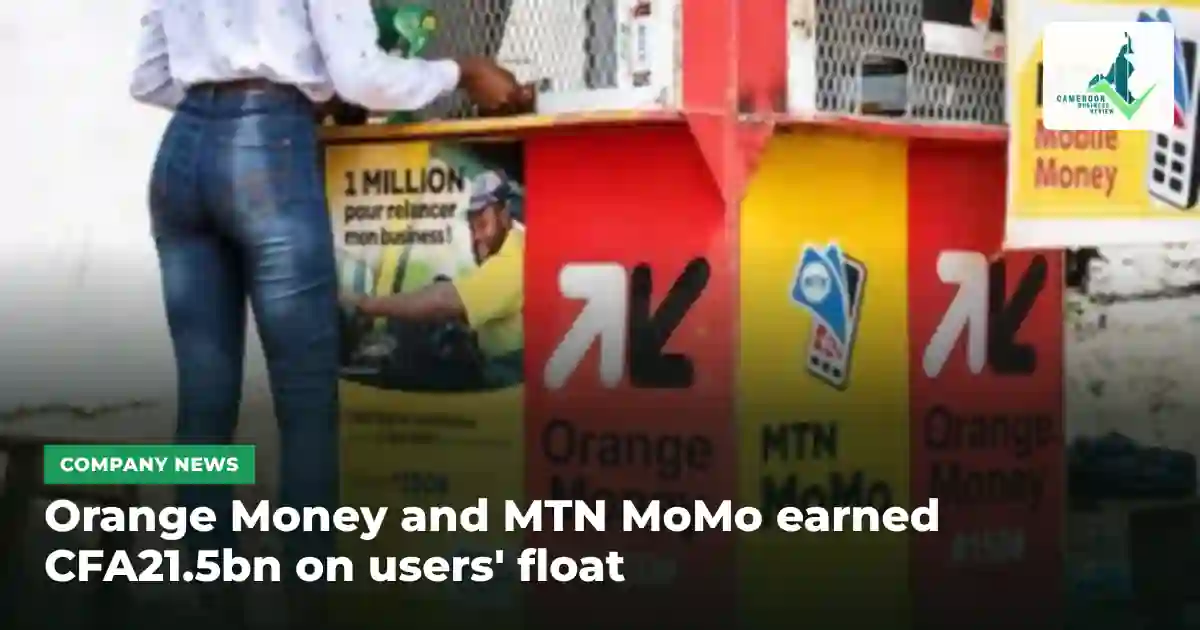
That description fits what is known about the market. Mobile money is the main way many Cameroonians store and move money. The scale of the sector is visible in the money the operators hold: Orange and MTN earned 21.5 billion FCFA in interest in 2025 on users' funds parked in banks, Investir au Cameroun reported last week.
Collections and payouts have usually been handled as separate problems, said Agustin Botta, head of EMEA at dLocal. The two firms want "a more consistent path from send to receipt", he said, according to The Paypers.
Mohamed Touhami El Ouazzani, Western Union's regional vice president and head of Africa, said the extension lets the company offer the same reliability on the receiving end, starting with markets such as Cameroon.
The size of the remittance market
Remittances are a large and steady source of money for the region. The World Bank estimates flows to sub-Saharan Africa reached about $57 billion in 2024, a figure cited in the announcement.
Western Union says it moves money across more than 200 countries and territories and in more than 130 currencies. dLocal sells its service to global companies as a single platform for accepting payments and sending payouts in emerging markets.
What comes next
The partners said they plan to extend payouts to other African markets. Nigeria is next on their list, where they would support both bank transfers and e-wallets. They gave no timeline.
What to watch
Several details were not in the announcement and will decide how much the change matters for ordinary users:
- Which wallets are supported. Coverage of Orange Money and MTN MoMo would reach most users. A narrower list would limit the impact.
- Fees and exchange rates. Neither company published the cost of sending money to a Cameroonian wallet through the new corridor.
- Which sending countries are covered. The announcement mentions a single payout corridor without naming where the money comes from.
- Effect on cash agents. Western Union agents in banks and microfinance offices handle much of today's cash pick-up. Direct wallet credits could shift some of that business.
The announcement was published in Cameroon as partner content, so these points should be checked against the companies' own pricing pages once the service is visible to customers.
For the wider picture of how mobile money operators earn from the funds users hold, see our report on Orange Money and MTN MoMo's CFA21.5 billion in interest income.